Current condition
Identify the film, supplier and batch, printed artwork, proposed print area and date, batch or barcode layout. Record the production state, moving-web or pack presentation and available access with each sample.
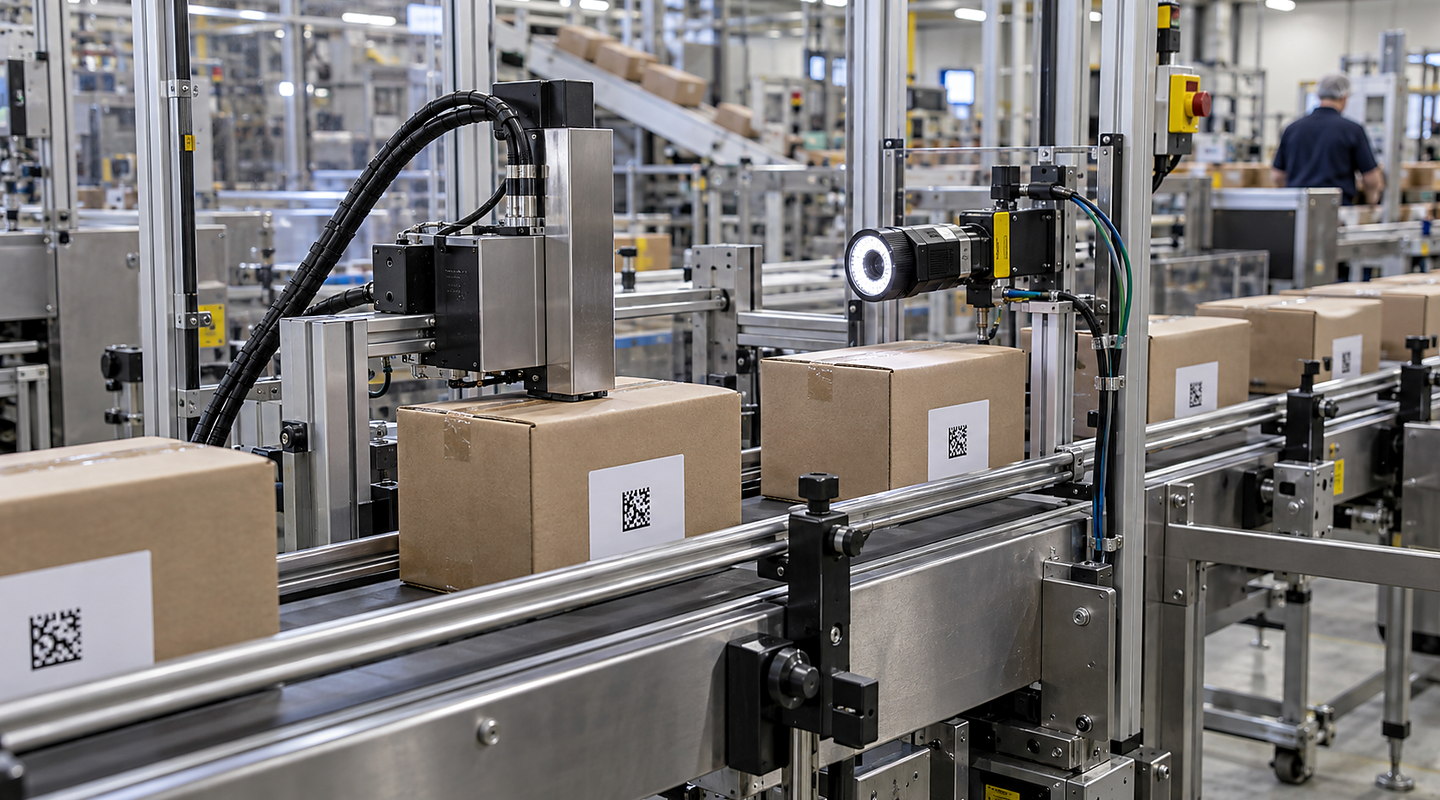
Compare printing on actual packaging film and artwork with adhesion, readability and position checks after normal handling, using representative production variants.
Select a printing route by trialling the actual packaging film and printed artwork with the required date, batch or barcode layout. Define whether the print is applied on a moving web or an individual pack and show available access. Compare adhesion, readability and position after normal handling across the agreed film and artwork range.
Use the film and print specification with the intended job-data definition. A sample that looks readable does not by itself establish adhesion after handling, correct data or suitability for every film variant.
Plan flexible film printing around your identifiers, substrates, production events, system interfaces, exceptions and verification records. Discuss a practical data-flow approach with Oxford Traceability. Use this guide to resolve substrate, label or tag behaviour before it limits the final system.
Discuss your application

Identify the film, supplier and batch, printed artwork, proposed print area and date, batch or barcode layout. Record the production state, moving-web or pack presentation and available access with each sample.
Include representative film and artwork variants, normal handling and credible operating changes. Retain which combinations were actually trialled and their adhesion, readability and print-position results.
Compare how film, artwork or presentation changes affect print position, handling durability, readable output and the trialled method. Review the relevant evidence before treating a new film or artwork revision as accepted.
Provide the approved date, batch or barcode layout and identify the authoritative source of each value. Record the artwork and job revision, who can approve a change and how the printed information will be compared with the intended job.
Provide the actual film and printed artwork, including representative supplier and batch variants. Agree the trial checks for adhesion, readability and print position after normal handling; a good result on another substrate does not establish suitability for this film.
State whether printing is on a moving web or an individual pack, the normal production pattern and the available printing and reading access. Include credible operating variations in the trial and retain their effect on print position, readability and accepted output.
Identify the job-data source and each line or business-system connection in scope. Agree which job is active, how a change is acknowledged and the response when required data or a device connection is unavailable.
Define what happens to missing, incorrect, unreadable or repeated information and which items need controlled rework. Agree who can authorise a correction and how affected film or packs and the first accepted result are identified.
Keep the approved job, representative printed samples, trial conditions and exception results together. Compare both physical print quality and intended data; a readable code alone does not prove that its content is correct or reconciled.