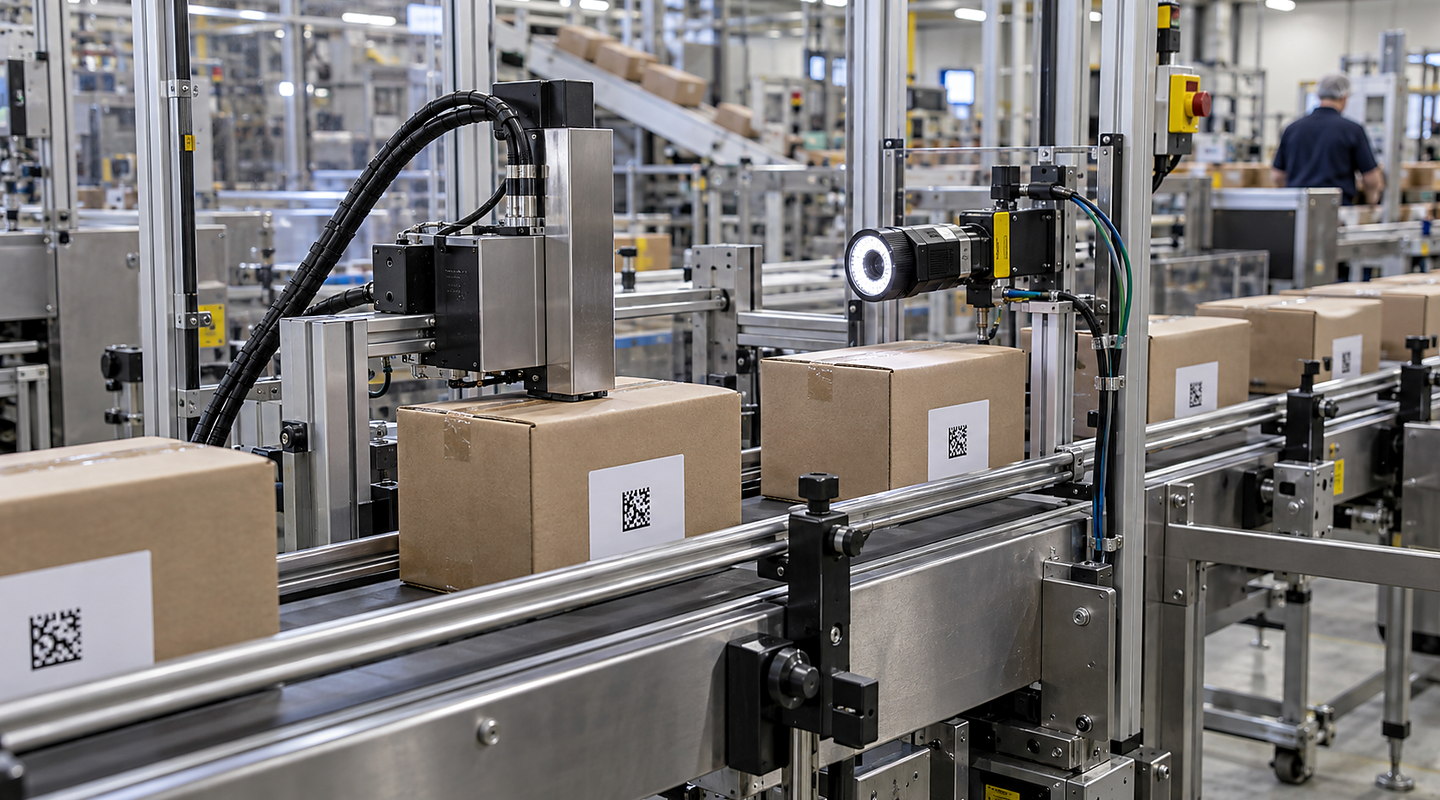
Flexible Film Printing: How the Process Works
Plan flexible-film printing with actual film and artwork, moving-web or pack access, date/batch/barcode data, handling trials and controlled job changeover.
Provide the actual packaging film, printed artwork and required date, batch or barcode layout. State whether printing is on a moving web or an individual pack and show the available access. Compare adhesion, readability and print position after normal handling, then include the job-data source, changeover and exception response in the same assessment.
Use the film and print trial guide with the job-data and identifier rules. Keep print-quality observations separate from confirmation that the printed information belongs to the correct job.
Understand the complete route from input to accepted output — Flexible Film Printing
Plan flexible film printing around your identifiers, substrates, production events, system interfaces, exceptions and verification records. Discuss a practical data-flow approach with Oxford Traceability. Follow the material or part through each operating step and include recovery, cleaning and change in the real cycle.
Discuss your application

Four clear stages for flexible film printing
At each stage, you can review how identifier and data rules for variable-data printing on packaging film and verification, retention and reconciliation evidence affect the next commitment.
- 01
Define Identifiers, Events and Authoritative Data Sources
Provide the actual film, approved artwork and date, batch or barcode layout. Identify where each value comes from, who approves it, whether printing is on a moving web or pack and what access is available.
- 02
Trial the Mark, Label, Tag or Read Method
Use representative film and artwork variants at the proposed printing location. Compare adhesion, readability and position after normal handling, with the actual operating range and intended data retained beside the sample.
- 03
Integrate Devices, Controls and Production Data
Agree the connection between the approved job, printer or other devices in scope and the line or business system. Define active-job confirmation, change acknowledgement and the response to missing data or an unavailable connection.
- 04
Challenge Exceptions and Reconcile Agreed Records
Trial job changeover and the agreed missing, incorrect, unreadable or repeated-data cases. Identify affected film or packs, record the authorised response and compare the first accepted result with the intended job.
Decisions and results stay connected
| Stage | What happens | What you can review |
|---|---|---|
| Define Identifiers, Events and Authoritative Data Sources | Provide the actual film, approved artwork and date, batch or barcode layout. Identify where each value comes from, who approves it, whether printing is on a moving web or pack and what access is available. | Approved layout, film and artwork identity, data owners and available access. |
| Trial the Mark, Label, Tag or Read Method | Use representative film and artwork variants at the proposed printing location. Compare adhesion, readability and position after normal handling, with the actual operating range and intended data retained beside the sample. | Printed samples, handling condition, adhesion, readability and position results. |
| Integrate Devices, Controls and Production Data | Agree the connection between the approved job, printer or other devices in scope and the line or business system. Define active-job confirmation, change acknowledgement and the response to missing data or an unavailable connection. | Active-job and interface responsibilities with data-loss and changeover responses. |
| Challenge Exceptions and Reconcile Agreed Records | Trial job changeover and the agreed missing, incorrect, unreadable or repeated-data cases. Identify affected film or packs, record the authorised response and compare the first accepted result with the intended job. | Exception and rework records, job reconciliation and first accepted output. |
Keep connected responsibilities clear
Your final flexible film printing scope must also account for exception, rework and duplicate handling, verification, retention and reconciliation evidence, current regulations and the conditions at your site.
- Mark, label, tag and reader performance depends on the real substrate and environment.
- A readable code does not prove that its encoded data is correct or reconciled.
- Retention, privacy and regulatory rules must be defined by the responsible organisation.