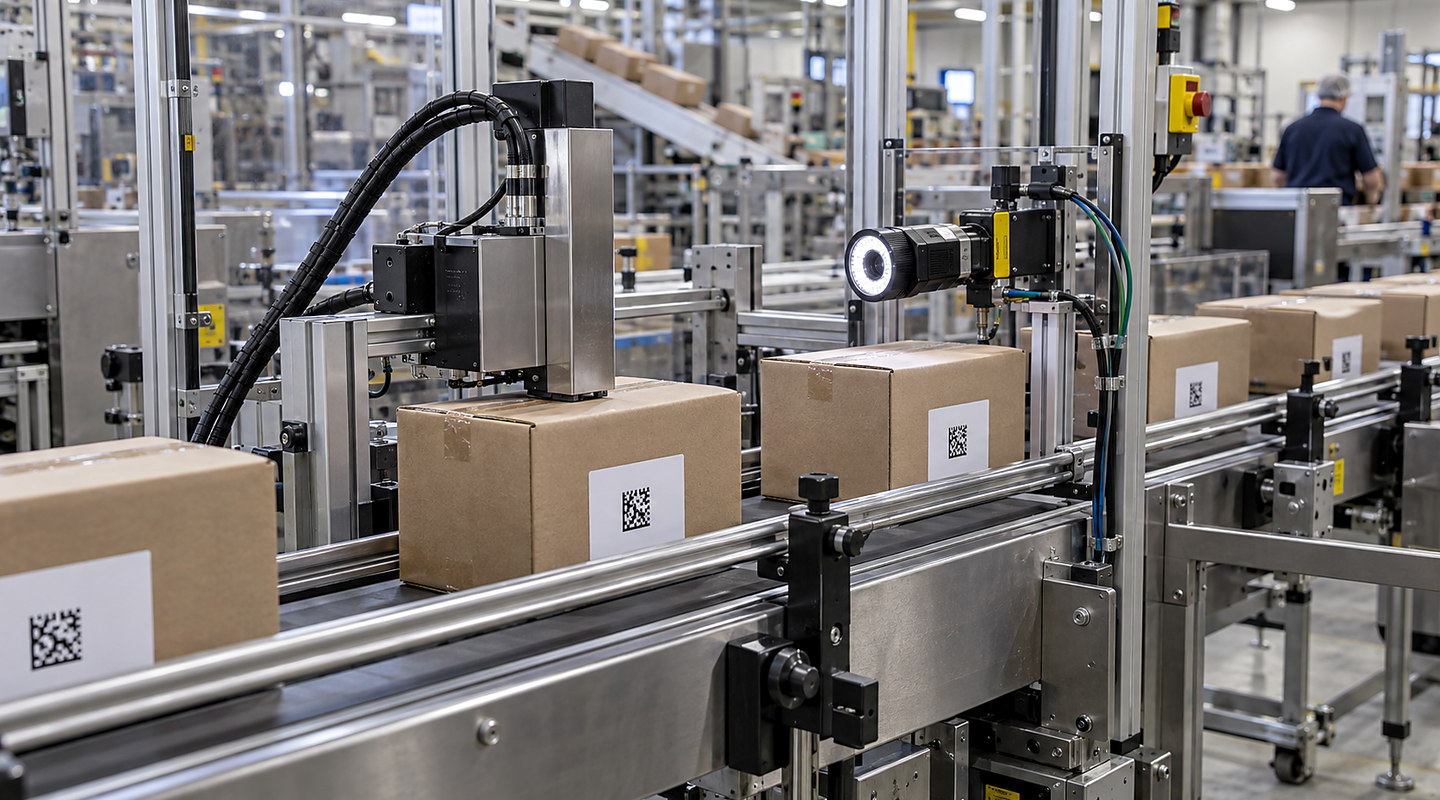
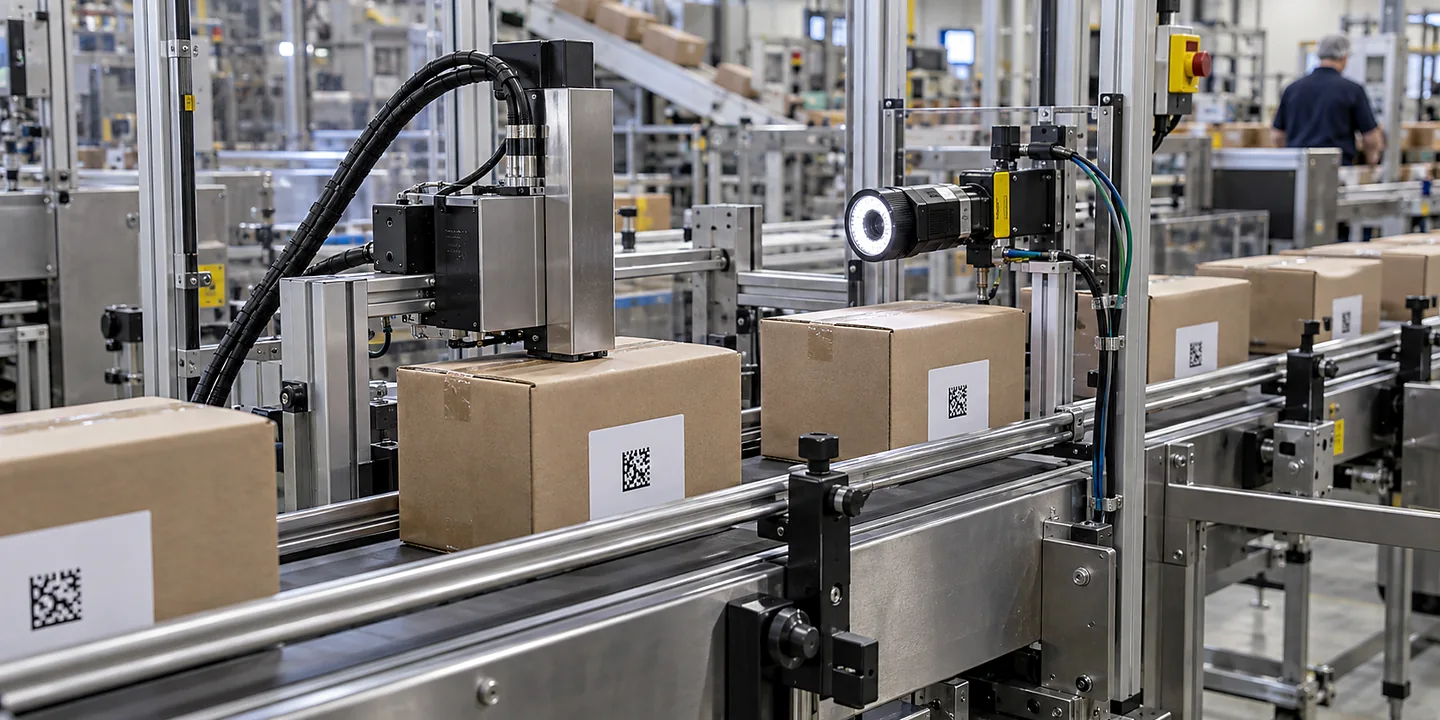
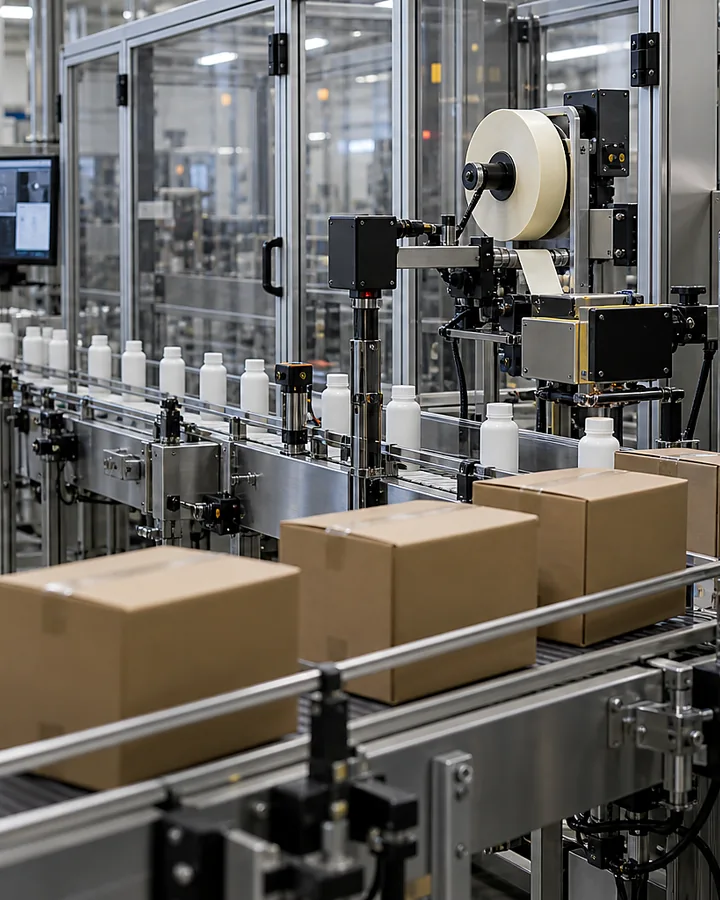
Plan flexible film printing around your identifiers, substrates, production events, system interfaces, exceptions and verification records. Discuss a practical data-flow approach with Oxford Traceability.
Speak directly with Oxford Traceability about variable-data printing on packaging film.
In brief
Choose flexible film printing by defining identifier and data rules for variable-data printing on packaging film, substrate, label or tag behaviour, line, business-system and network interfaces, and verification, retention and reconciliation evidence, then prove the preferred method using real identifiers, substrates, production events and exception records before the final system is specified.
Your final flexible film printing scope must also account for exception, rework and duplicate handling, verification, retention and reconciliation evidence, current regulations and the conditions at your site.
Quick answer
Which printing method suits variable information on our packaging film?
For flexible film printing, define identifier and data rules for variable-data printing on packaging film, substrate, label or tag behaviour, the authoritative data source and the exception workflow first. Trial evidence should then show that marks or reads remain usable and that verification, retention and reconciliation evidence can be maintained across the agreed production range.
Six useful questions
Describe what you need from flexible film printing before choosing a solution
For production identification using variable-data printing on packaging film, share the normal condition, realistic range and difficult cases the finished system must handle.
Question 1
Identifier and Data Rules for Variable-Data Printing on Packaging Film
For your initial enquiry about flexible film printing, describe the current position, required outcome, acceptable limits and known exceptions for identifier and data rules for variable-data printing on packaging film. That lets us compare options against your real production rather than one nominal value.
Question 2
Substrate, Label or Tag Behaviour
For your initial enquiry about flexible film printing, describe the current position, required outcome, acceptable limits and known exceptions for substrate, label or tag behaviour. That lets us compare options against your real production rather than one nominal value.
Question 3
Production Speed and Read-Point Conditions
For your initial enquiry about flexible film printing, describe the current position, required outcome, acceptable limits and known exceptions for production speed and read-point conditions. That lets us compare options against your real production rather than one nominal value.
Question 4
Line, Business-System and Network Interfaces
For your initial enquiry about flexible film printing, describe the current position, required outcome, acceptable limits and known exceptions for line, business-system and network interfaces. That lets us compare options against your real production rather than one nominal value.
Question 5
Exception, Rework and Duplicate Handling
For your initial enquiry about flexible film printing, describe the current position, required outcome, acceptable limits and known exceptions for exception, rework and duplicate handling. That lets us compare options against your real production rather than one nominal value.
Question 6
Verification, Retention and Reconciliation Evidence
For your initial enquiry about flexible film printing, describe the current position, required outcome, acceptable limits and known exceptions for verification, retention and reconciliation evidence. That lets us compare options against your real production rather than one nominal value.
Applications
Two useful starting points for flexible film printing
The right choice changes with identifier and data rules for variable-data printing on packaging film, substrate, label or tag behaviour, your line layout and required results.
Your route from an initial enquiry to a working solution
You can review decisions about exception, rework and duplicate handling and verification, retention and reconciliation evidence at each stage.
01
Define Identifiers, Events and Authoritative Data Sources
Share real identifiers, substrates, production events and exception records, including the normal range for identifier and data rules for variable-data printing on packaging film and the difficult substrate, label or tag behaviour cases.
02
Trial the Mark, Label, Tag or Read Method
Compare suitable methods and use focused trials to show how each option performs against production speed and read-point conditions.
03
Integrate Devices, Controls and Production Data
Connect the equipment to your line, services and controls while resolving line, business-system and network interfaces for day-to-day operation.
04
Challenge Exceptions and Reconcile Agreed Records
Confirm exception, rework and duplicate handling, then complete and record verification, retention and reconciliation evidence before your operating team takes over.
Important limits
Know what needs a separate check
Mark, label, tag and reader performance depends on the real substrate and environment.
A readable code does not prove that its encoded data is correct or reconciled.
Retention, privacy and regulatory rules must be defined by the responsible organisation.
Your final solution for variable-data printing on packaging film must reflect the law, current standards and site-specific risks that apply to your installation.